Aluminum Castings: 3D Printing, Robotics, and New Alloys
Wiki Article
Aluminum Castings Explained: Secret Conveniences and Solutions for Your Production Demands
Light weight aluminum castings play a significant role in modern production. Their light-weight and durable nature makes them suitable for various applications. Industries such as aerospace and vehicle take advantage of their adaptability. Recognizing the benefits and the production process of aluminum castings is crucial. Furthermore, picking the appropriate service provider can impact top quality and effectiveness. What variables should be considered when picking an aluminum spreading solution? Discovering these aspects reveals essential insights.Advantages of Light Weight Aluminum Castings
Light weight aluminum spreadings provide many advantages that make them a favored choice in various sectors. One of the main advantages is their light-weight nature, which significantly reduces delivery and dealing with costs. Furthermore, aluminum displays outstanding rust resistance, guaranteeing long life and decreased maintenance for products made from this product. The flexibility of aluminum permits complicated forms and intricate designs, supplying makers with higher adaptability in production.On top of that, aluminum castings have good thermal and electric conductivity, making them appropriate for a variety of applications needing warmth dissipation or electrical elements. The product additionally has a high strength-to-weight proportion, allowing the manufacturing of durable yet lightweight parts. In addition, light weight aluminum can be reused without losing its homes, promoting sustainability in producing procedures. In general, these benefits make light weight aluminum castings a trustworthy and reliable choice for manufacturers seeking high quality and efficiency in their items.
Applications of Aluminum Castings in Different Industries
The advantages of light weight aluminum castings make them highly sought after throughout different sectors, consisting of automobile, aerospace, and durable goods. In the automobile market, they are used for engine blocks, transmission cases, and wheels because of their light-weight nature, which enhances fuel efficiency. Aerospace applications profit from aluminum spreadings in architectural elements and real estates, supplying strength while decreasing weight, important for trip performance.
In customer goods, aluminum castings are used in items such as cookware and electronic rooms, offering sturdiness and visual allure (Metal Castings). Furthermore, the electric industry uses aluminum spreadings for heat sinks and real estates, making sure effective thermal monitoring. The flexibility of aluminum permits detailed styles and complicated geometries, further broadening its applications. On the whole, the diverse utility of light weight aluminum castings highlights their relevance in modern-day production, adding to advancement and effectiveness across these essential industries
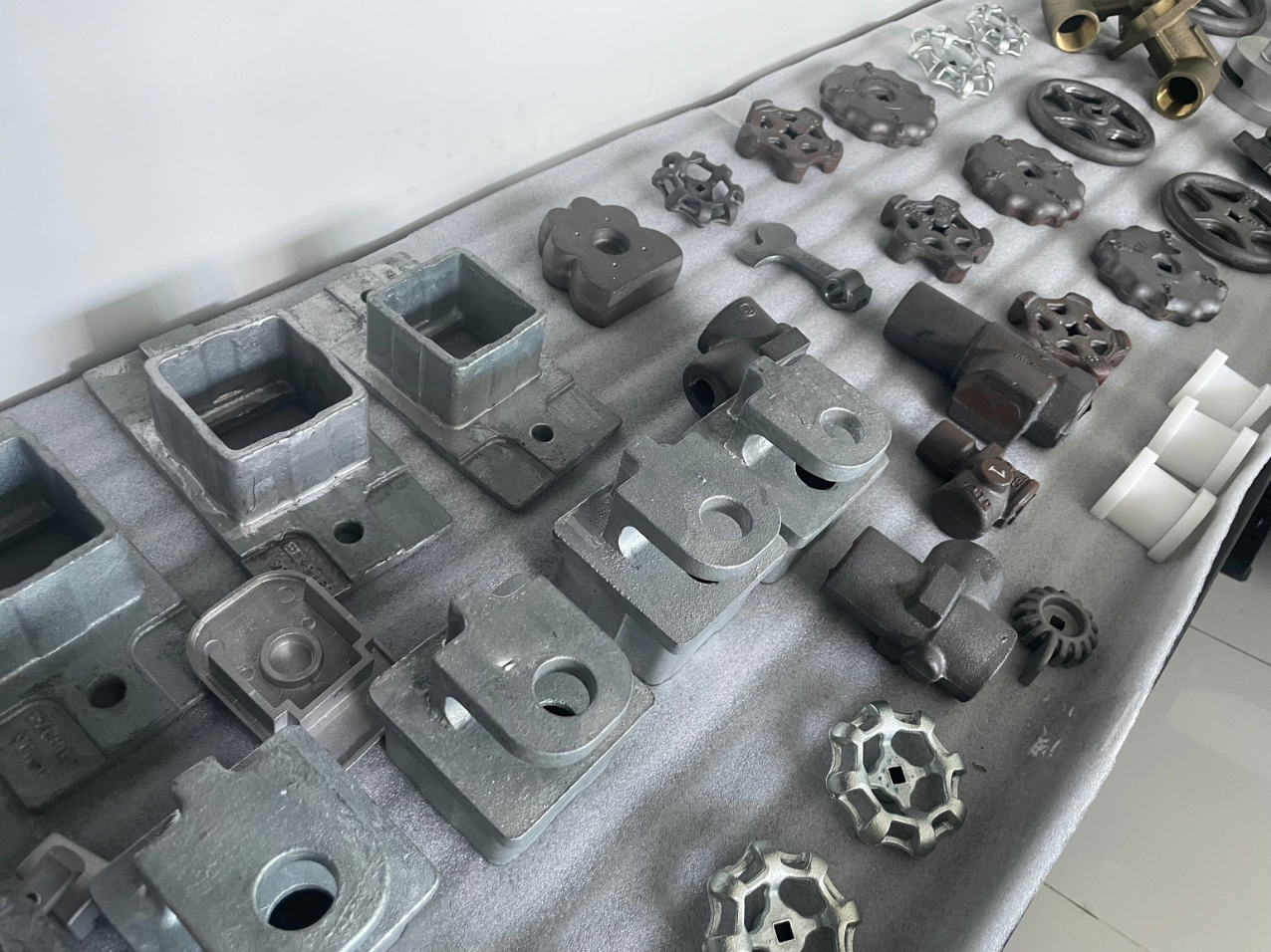
The Manufacturing Process of Light Weight Aluminum Castings
Casting light weight aluminum entails several essential steps that transform raw steel into precise elements. The process begins with the melting of aluminum scrap or ingots in a heater, getting to temperature levels around 1,200 ° F. When molten, the light weight aluminum is poured into a mold and mildew, which can be made from sand, steel, or ceramic, depending on the desired requirements.After putting, the metal strengthens and cools down, creating the shape of the mold (Wisconsin Aluminum Foundry). The next step involves eliminating the spreading from the mold and mildew, which might call for additional techniques to guarantee a smooth surface coating
Consequently, any type of excess material or flaws can be machined or ground off to attain the final measurements. Quality assessments are after that carried out to validate that the casting fulfills required standards. This precise procedure allows makers to produce elements that are lightweight, long lasting, and ideal for a wide variety of applications.
Choosing the Right Light Weight Aluminum Casting Service
When picking an aluminum spreading service, it is important to consider numerous variables that can greatly influence the quality and effectiveness of the final item. The service company's experience and experience in aluminum spreading play a vital function in making sure premium outputs. Business ought to analyze the company's portfolio and previous jobs to determine their capacities.In addition, evaluating the technology and tools used by the spreading solution is necessary, as modern-day equipment can boost precision and reduce preparations. An additional vital aspect is the ability to provide customized solutions customized to details task needs, which can substantially boost product performance.
Furthermore, communication and customer assistance need to not be forgotten; a collective partner can help with smoother project implementation. Ultimately, thinking about cost-effectiveness without compromising quality is essential for making an educated decision. By carefully considering these elements, manufacturers can choose a casting solution that best meets their needs.
Future Patterns in Aluminum Casting Modern Technology
As manufacturers increasingly prioritize quality and efficiency, developments in aluminum casting innovation are important link set to change the industry. Arising trends include the fostering of automation and robotics, which enhance accuracy and decrease human mistake in casting procedures. Furthermore, the assimilation of synthetic knowledge and machine knowing is anticipated to maximize production timetables and improve high quality control.Sustainability stays a main emphasis, with developments in reusing strategies enabling for a lot more effective reuse of light weight aluminum scrap, consequently lowering waste and energy consumption. Advanced simulation software application is additionally getting grip, allowing engineers to version and anticipate casting performance prior to real production, decreasing expensive errors.
The development of brand-new alloys and progressed casting methods, such as 3D printing, will expand the possibilities Get the facts for lightweight yet sturdy components. With each other, these patterns show a vibrant future for light weight aluminum spreading, driven by technological developments that prioritize sustainability, item, and performance high quality.
Regularly Asked Questions
Just How Do Light Weight Aluminum Castings Contrast to Other Products?
What Are the Weight Limitations for Aluminum Castings?
Weight constraints for light weight aluminum castings typically rely on the style and application, however they generally sustain tons capacities varying from a few ounces to several heaps. Particular restraints develop from elements like wall surface density and architectural honesty.Can Light Weight Aluminum Castings Be Fixed After Manufacturing?
Aluminum castings can be repaired after production, utilizing methods such as welding or epoxy bonding. The feasibility of fixings depends upon the extent of damages and the specific residential or commercial properties of the light weight aluminum alloy made use of.
What Finishes Are Available for Aluminum Castings?
Different surfaces are available for aluminum spreadings, including anodizing, powder paint, sprucing up, and finish. These surfaces improve look, offer deterioration resistance, and boost surface sturdiness, accommodating varied aesthetic and useful demands in making applications.How Do Ecological Regulations Affect Light Weight Aluminum Spreading Processes?
Ecological guidelines substantially affect aluminum casting processes by mandating stricter exhausts controls, motivating recycling practices, and advertising lasting materials. These regulations oblige makers to take on cleaner innovations and reduce their eco-friendly footprint in manufacturing activities.
Report this wiki page